How High-Barrier Flexible Packaging Extends Shelf Life For Tropical Food Brands In Southeast Asia & Latin America
Introduction
Southeast Asia and Latin America have become the fastest-growing export destinations for global snack, meat, seasoning and convenience food brands. But one universal pain point troubles almost every food exporter: high temperature, high humidity and strong sunlight in tropical regions drastically shorten food shelf life.
Ordinary plastic packaging cannot block oxygen, moisture and grease efficiently. Products easily go moldy, oxidize, lose flavor or spoil halfway during sea freight, storage in local warehouses and retail shelf display. Many brand owners lose massive profits from damaged goods and customer complaints.
As a professional source factory with 6 years of export experience, Hunan Daoxing New Materials Technology Co., Ltd. specializes in customized food flexible packaging for tropical market exporters. This blog explains how high-barrier packaging structures solve shelf-life challenges, and introduces our matched packaging solutions for different tropical food categories.
1. Why Tropical Climate Ruins Ordinary Food Packaging
Two core environmental features of Southeast Asia and Latin America break down low-performance packaging materials:
1.1 High Humidity & Constant High Temperature
Year-round average temperature above 25°C and relative humidity over 70% speed up chemical reactions inside food. Moisture penetrates thin composite films, triggering mildew on nuts, dried meat, bakery and seasoning powders.
1.2 Long Sea Freight & Unstable Cold Chain
Shipping from China to Indonesia, Thailand, Vietnam, Brazil or Mexico takes 15–40 days. Containers under direct sunlight reach temperatures over 50°C. Many small local retailers lack complete cold storage, so food must rely entirely on packaging to maintain quality.
Cheap single-layer PE or thin BOPP bags have extremely low oxygen and moisture resistance. They can only keep food fresh for less than 1 month, which cannot meet the sales cycle requirements of cross-border food brands.
2. Core High-Barrier Packaging Structures For Tropical Food
Daoxing independently develops multi-layer composite high-barrier films, with three mainstream structures matching different food types and shelf-life demands:
2.1 Aluminum Foil Composite Structure (12–18 months shelf life)
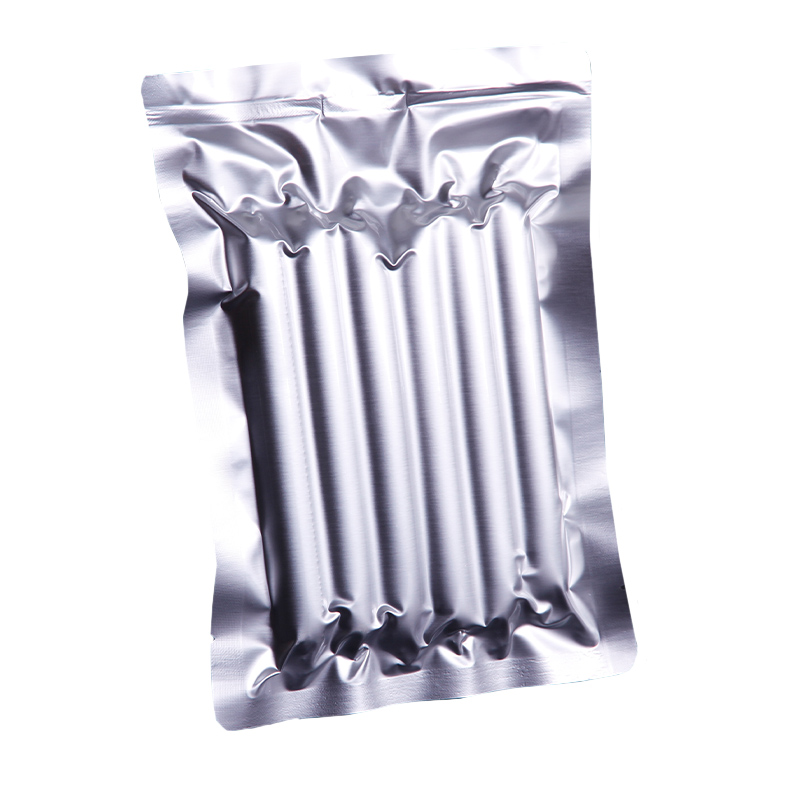
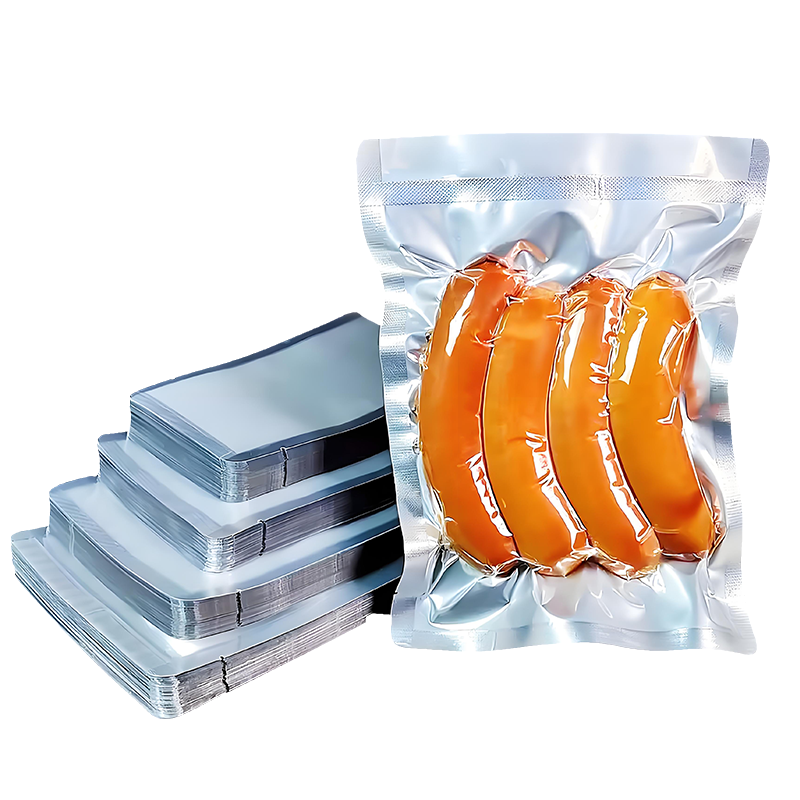
Aluminum foil completely isolates oxygen, moisture, light and grease. It is the best choice for high-fat, high-protein products that need long-term preservation: braised meat, high-temperature retort food, dried sausages, seasoning pastes and fish snacks. Our dust-free workshop produces pinhole-free thick aluminum foil composite retort pouches, avoiding tiny gaps that cause moisture leakage during long ocean shipping.
2.2 Metallized Film High-Barrier Structure (6–12 months shelf life)
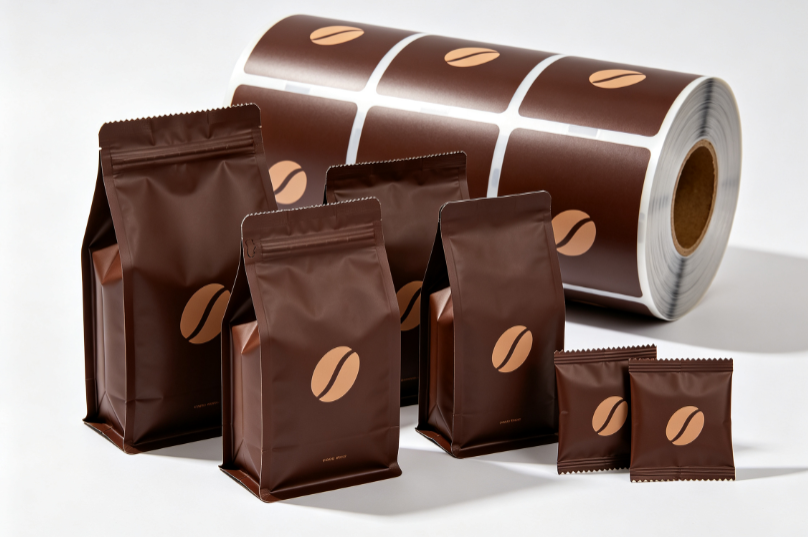
Metallized film balances barrier performance and printing gloss, with lower cost than full aluminum foil bags. Perfect for nuts, cookies, candy, freeze-dried fruit and nitrogen-filled puffed snacks sold in supermarkets and convenience stores across tropical regions.
High-definition rotogravure printing makes brand patterns and logos bright and eye-catching, boosting retail shelf competitiveness.
2.3 Transparent Nylon Composite High-Barrier Roll Film (8–14 months shelf life)
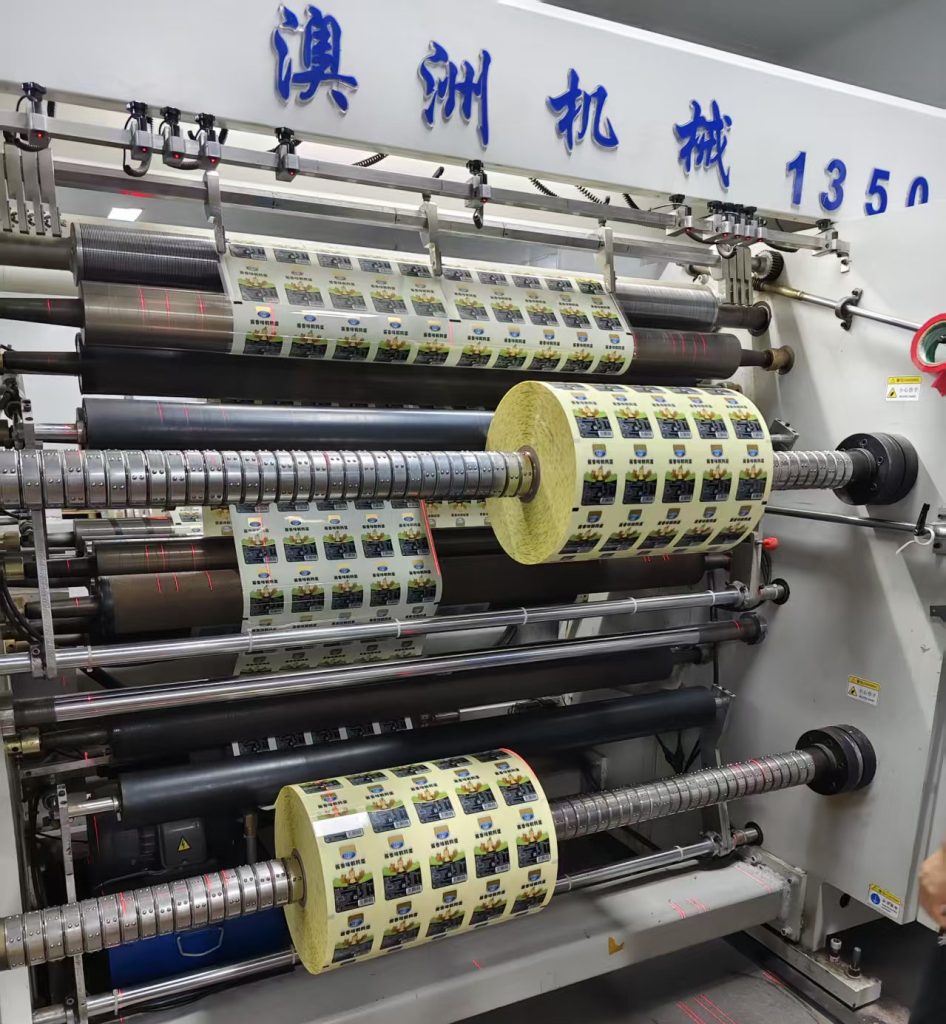
Transparent nylon composite film delivers outstanding oxygen and moisture barrier performance without aluminum foil layers, with high light transmittance so buyers can clearly see the food inside the package. It is widely applied to automatic filling production lines for products such as seasoning oil sachets, liquid condiment pouches, and small snack packaging roll films. This roll film is compatible with all standard automatic packaging machines commonly adopted by food manufacturers across Southeast Asia.
3. Matching Daoxing Packaging Solutions For Main Tropical Food Categories
Based on thousands of export orders for tropical markets, we sort out targeted packaging recommendations for mainstream food products:
3.1 High-Temperature Sterilized Meat & Instant Braised Food
Product features: high oil, high protein, need 121°C / 135°C retort sterilization, long-term storage without refrigeration. Recommended packaging: Aluminum foil retort pouches, stand-up retort bags with tear notch. Advantage: Heat-resistant composite structure does not delaminate after high-temperature cooking; full aluminum barrier prevents oxidation and mildew during tropical circulation.
3.2 Nitrogen-Filled Snacks, Nuts & Bakery
Product features: Crispy texture, easy to absorb moisture and turn soft, sensitive to oxidation. Recommended packaging: Metallized BOPP composite three-side seal pouches, automatic packaging snack roll films with nitrogen filling compatibility. Advantage: Light-proof and moisture-proof, keeps snacks crispy for over 8 months under tropical storage conditions.
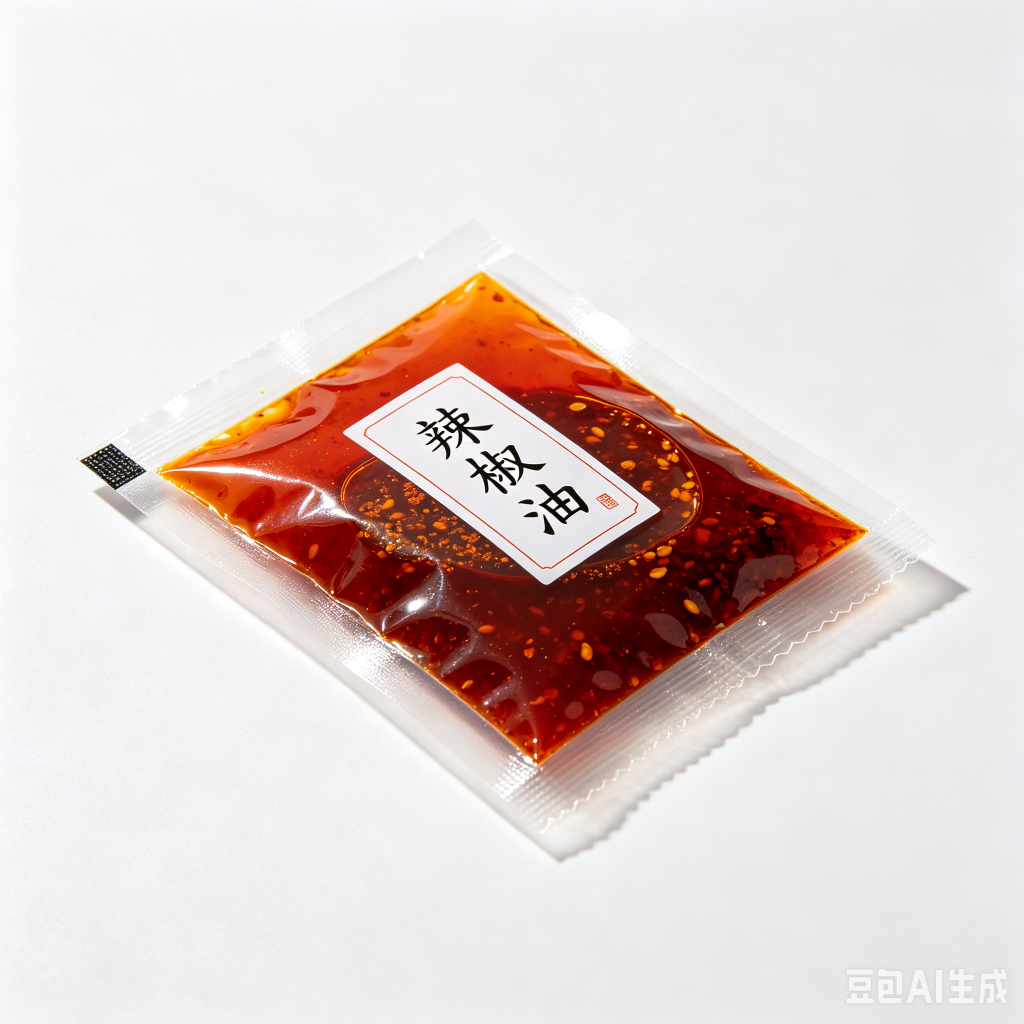
3.3 Seasoning Powder, Chili Sauce & Cooking Oil Sachets
Product features: Greasy, easy to absorb moisture and agglomerate, small single-serve packaging for street food and convenience stores.
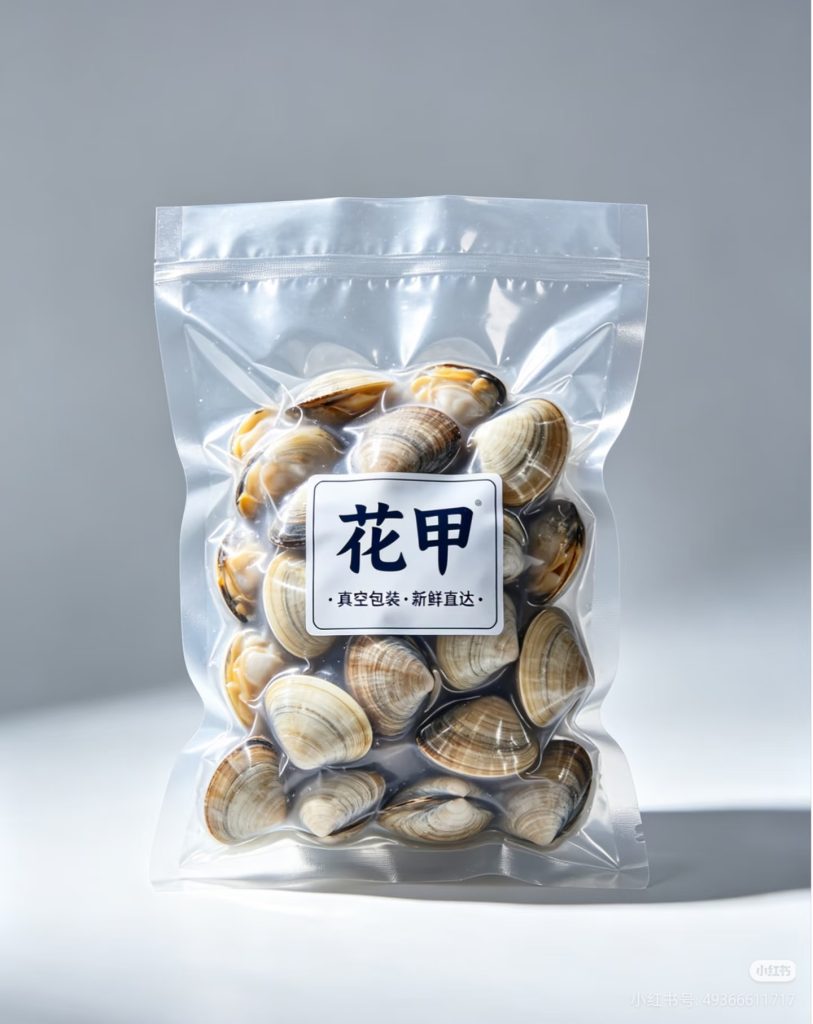
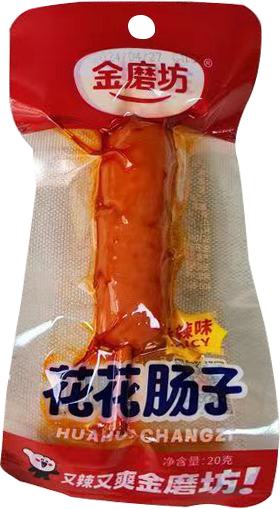
3.4 Frozen Vacuum Meat & Aquatic Products
Product features: Stored at -18°C, long-distance cold chain transportation, easy freezer burn if packaging barrier is poor. Recommended packaging: Thickened nylon vacuum bags, high-toughness composite vacuum pouches. Advantage: Low-temperature resistant material does not crack in freezing environments; high oxygen barrier prevents meat discoloration and freezer burn.
4. Why Tropical Food Exporters Choose Daoxing As Their Flexible Packaging Supplier
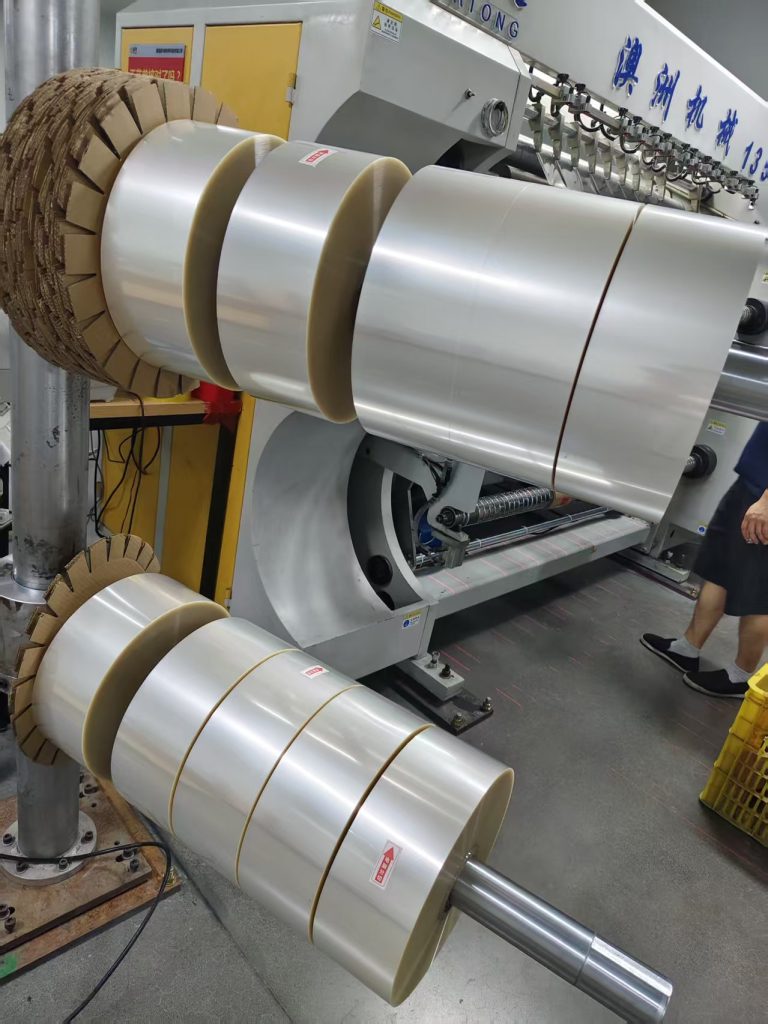
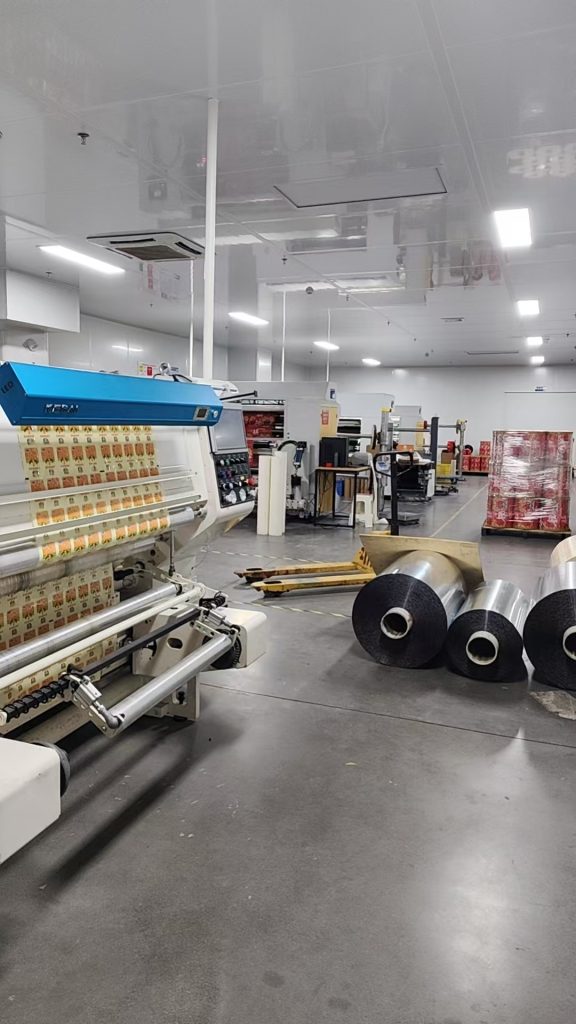
Unlike trading companies that outsource all production, Daoxing owns a 30,000-square-meter dust-free clean production base with full integrated production lines: film extrusion, rotogravure printing, dry lamination, pouch making and slitting. We deliver stable high-barrier packaging for tropical food brands with four core strengths:
4.1 Strict Food-Grade Material Control
All composite films, printing inks and adhesives comply with food contact safety standards. We can provide full material test reports for customs clearance in Southeast Asian countries including Indonesia, Malaysia, Thailand and Vietnam. No harmful substance precipitation under high tropical temperatures.